Enzyme Supplier for Plant-Based Meat Manufacturing
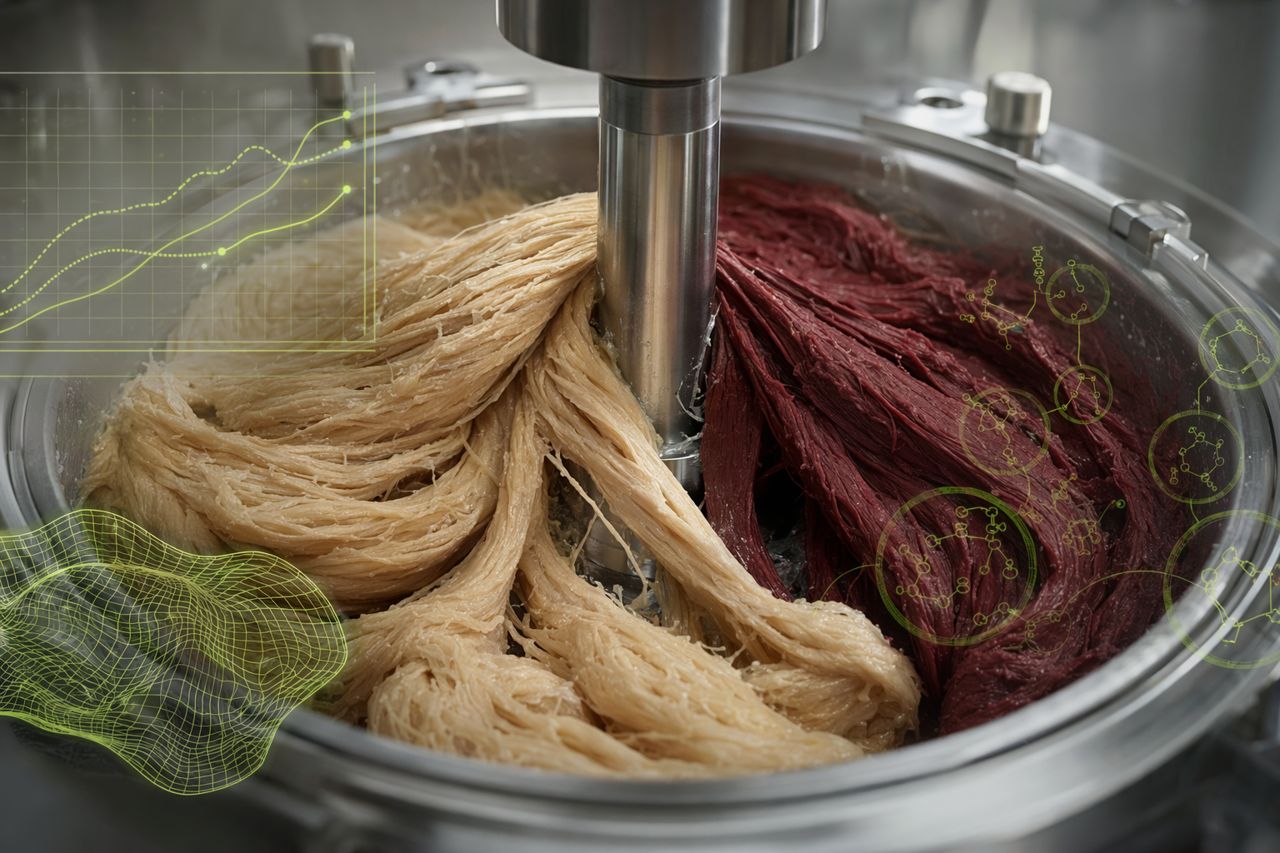
Plant-based meat texture is not solved by ingredient lists alone. It is built through hydration, shear, heat, protein functionality, oil behavior, and process timing. Enzymefusion supplies enzyme systems and application guidance for manufacturers that need texture to hold up beyond the bench.
As an enzyme supplier for plant based meat manufacturing, Enzymefusion supplies enzymes in bulk to manufacturers, co-packers, ingredient distributors and resellers whose customers make burgers, grounds, strips, nuggets, fillings and formed formats. We work with their R&D, purchasing and production teams: define the target bite, screen the right enzyme approach, and translate promising trials into a process window the factory can run.
Wholesale and bulk supply for manufacturers, co-packers and resellers. Enzymefusion supplies these enzymes by quote only; pack size, volume and delivery are quoted per order. To get a quote, send the product, the quantity and the destination country through the inquiry form.
Request a quote through the inquiry form
Enzyme systems for engineered plant-protein texture
Transglutaminase for binding, bite, and sliceability
Transglutaminase can support protein network formation where plant matrices need more cohesion. In plant-based meat systems, that may mean improved patty integrity, cleaner slicing, reduced crumble, and a more deliberate chew.
Enzymefusion helps teams evaluate where crosslinking fits into the full formulation, including protein source, hydration sequence, salt system, fat phase, thermal step, and forming method. The goal is not maximum firmness. The goal is controlled structure that matches the eating format and survives production handling.
Protease for controlled softening and protein functionality
Protease is a precision tool when plant proteins are too tough, chalky, rubbery, or difficult to hydrate. Controlled modification can improve processability, reduce harsh textural edges, and help teams rebalance firmness without losing definition.
The useful window is narrow. Too little change may be invisible; too much can weaken the matrix. Enzymefusion supports structured screening so protease work stays tied to measurable formulation targets such as bite, hydration behavior, viscosity, extrusion response, and formed-product stability.
Lipase for savory development and fat-phase complexity
Lipase can help manufacturers build more convincing savory profiles by modifying lipid-derived precursors and supporting richer aromatic complexity. In plant-based meat, this is especially relevant when oil systems need more depth, cooked character, or rounded top notes.
Enzymefusion positions lipase work inside the full flavor architecture: protein base, yeast and Maillard systems, seasoning, fat selection, thermal exposure, and finished-product format. The aim is controlled flavor contribution without process drift or overpowering notes.
Built for R&D teams moving toward production
Plant-based meat programs often fail in translation. A bench sample shows promise, then pilot shear changes the texture. A thermal step tightens the bite. A new protein lot shifts hydration. A filling line breaks what looked stable in trays.
Enzymefusion supports enzyme selection with scale-up realities in view:
- Protein source variability across soy, pea, wheat, fava, chickpea, mycoprotein blends, and hybrid systems
- High-moisture and low-moisture extrusion process windows
- Hydration order, hold time, and temperature sensitivity
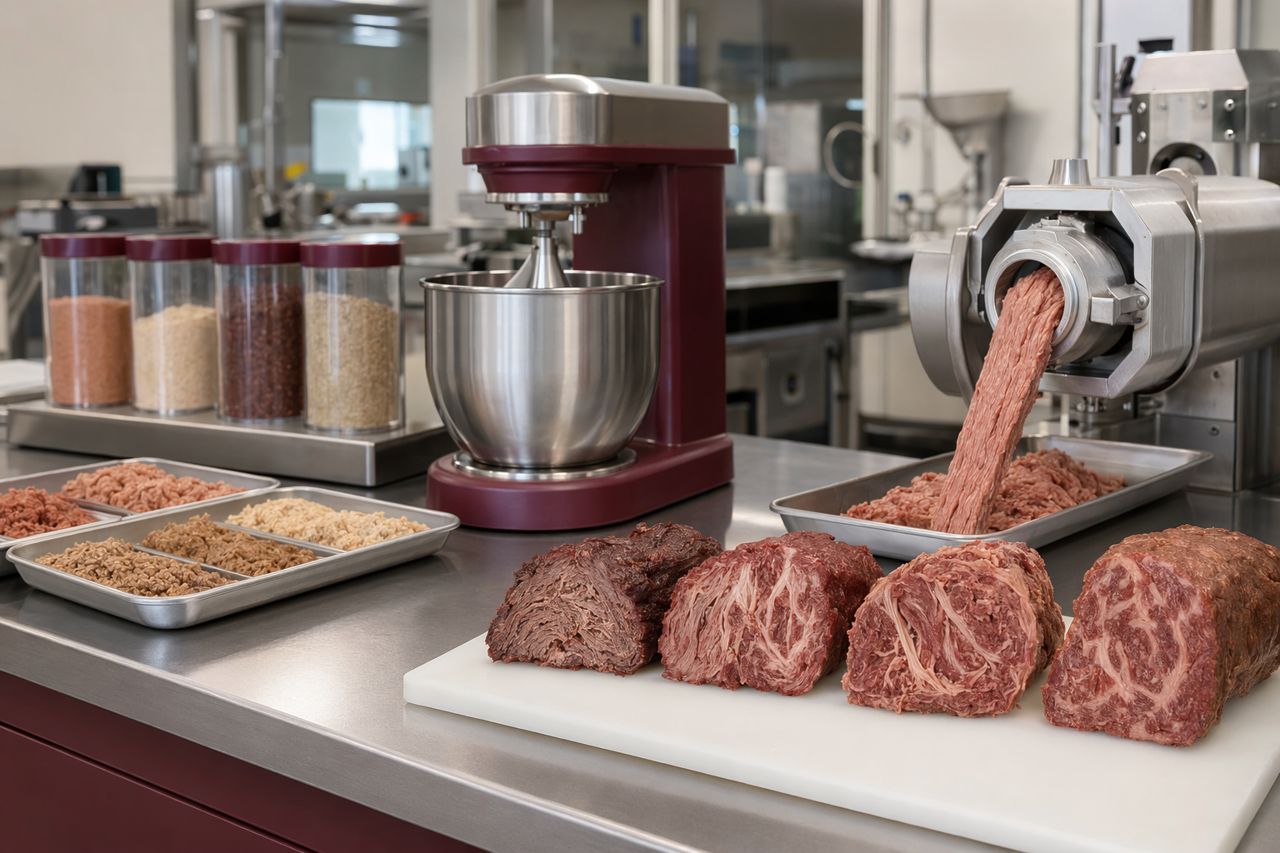
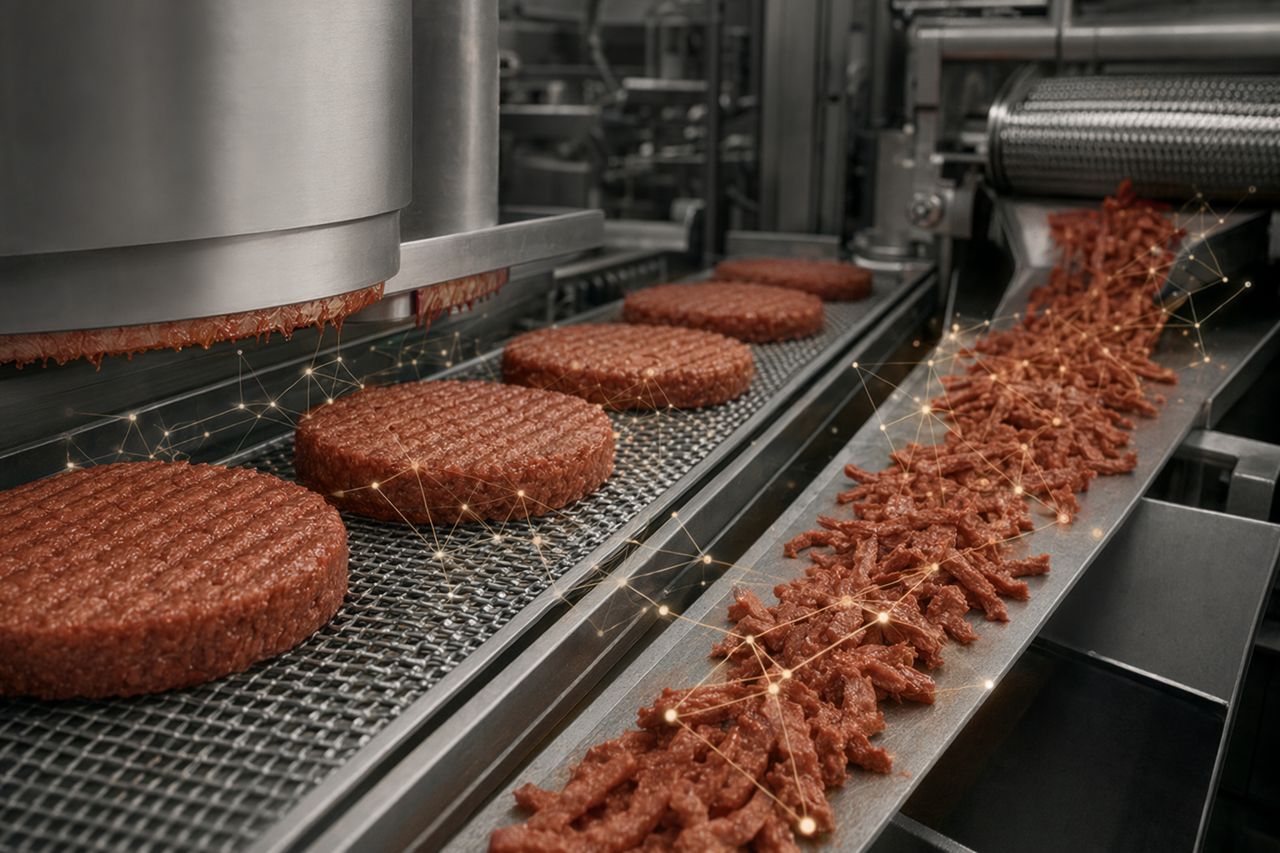
- Formed patty, ground, strip, nugget, and stuffing applications
- Freeze-thaw and chilled distribution requirements
- Texture targets including chew, spring, slice, crumble control, and cook stability
- Flavor-system compatibility with fats, seasonings, yeast extracts, and reaction flavors
Where Enzymefusion fits in your development process
1. Define the texture target
We start with the product format and sensory brief. A burger needs a different protein network than a shredded strip, filled dumpling, or finely ground sausage-style matrix. Enzyme selection begins with the intended bite.
2. Map the process window
We review when and where enzyme action can occur: hydration, mixing, pre-conditioning, extrusion, forming, filling, chilling, or thermal setting. This identifies the practical limits before trial work begins.
3. Screen enzyme direction
Enzymefusion helps compare enzyme families and formulation approaches against the same target. The objective is to reduce guesswork, not add complexity.
4. Translate to repeatable production
A successful enzyme concept must be robust under plant conditions. We support specification alignment, batch-to-batch expectations, handling considerations, and quote-ready supply planning.
Common manufacturing challenges we help address
- Patties that crumble during forming, flipping, or cooking
- Grounds that lack cohesive bite or feel pasty after hydration
- Strips that separate poorly or lose fibrous definition
- Extruded matrices that become too rubbery or too soft after thermal steps
- Protein blends that hydrate inconsistently across lots
- Fat systems that taste flat or separate from the protein phase
- Pilot batches that do not match bench texture
- Production teams that need a clearer enzyme addition strategy
Wholesale enzyme supply with formulation context
Enzymefusion is not a generic catalogue relationship and not a consumer shop. We supply enzymes in bulk, by quote, to plant-based meat manufacturers and to the distributors and resellers who serve them, with the technical context their customers need: what the enzyme is intended to change, what process conditions matter, what tradeoffs to watch, and how to evaluate whether the change is useful.
That makes procurement easier for teams that already know what they need, and development faster for teams still defining the route.
Request a quote
Enzymefusion supplies by quote only; pack size, volume and delivery are quoted per order. Send through the inquiry form:
- Product: transglutaminase, protease, lipase, or the texture problem if you are not yet sure
- Quantity: trial lot, first production order or recurring volume
- Destination country for delivery
- Your business: manufacturer, co-packer, distributor or reseller
- If available: product format, protein base, process type, target texture and current challenge
We reply by email with a quote and the technical next steps for enzyme supply.